
Culture
Mardi Gras 2014

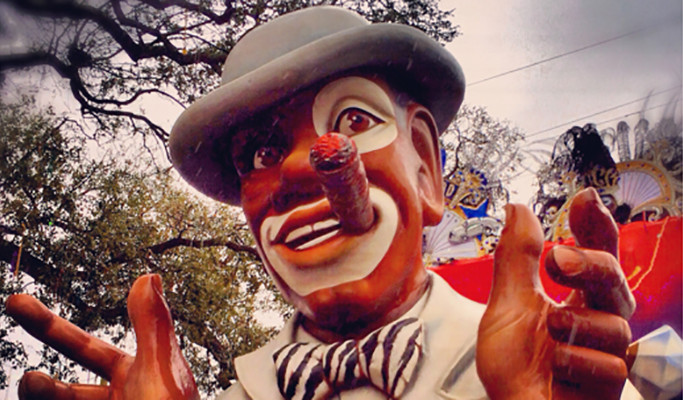
Mardi Gras 2014 dawned cold and rainy in New Orleans. But of course, the party never stops here — especially during Mardi Gras.
The Krewe of Zulu — whose most coveted “throws” are decorated coconuts — rocked and rolled in the rain, starting at 8:00 am.
The Zulu Social Aid & Pleasure Club was founded in the early years of the 20th century by working class African-Americans, who dressed in grass skirts and wore blackface makeup in their parades. Some have said that the group’s traditions were designed to parody the “white” Mardi Gras, but that’s not known for sure. And during the Civil Rights struggles of the 1960s, the krewe faced criticism and a boycott from within the black community, who considered Zulu’s costuming to be demeaning.
In 1969, the krewe was allowed to march on what had been traditionally been a “white” parade route. From the Louisiana State Museum:
“Zulu made civil rights history in 1969 when the city granted the club permission to parade on Canal Street, the route historically reserved for white carnival parades. This route change, not typically viewed as a civil rights victory, was significant and symbolic in that an African-American carnival organization became part of the city’s official Mardi Gras festivities.”

-
 Featured9 months ago
The untold story of a Black woman who founded an Alabama hospital during Jim Crow
-

 Featured12 months ago
Five Facts You Need To Know About SNAP
-

 Featured12 months ago
US Black Chambers of Commerce Makes History with Campus for Entrepreneurship
-

 Featured5 months ago
Trump’s Use of “low IQ” Insult Reveals His View of Black Americans
-
 Featured5 months ago
A Timeline of the Tulsa Massacre Mass Graves Discovery on the 105th Commemoration
-

 Featured5 months ago
Republican-led Redistricting Could Cost Congressional Black Caucus 1/3 of Its Members