
Featured
Green Spaces, Healthier Lives: Community Gardens Expand Their Message

The impact of health disparities on Black Americans, ranging from food deserts to access to quality healthcare, has earned a consistent place in policy conversations for decades. Recently, the NAACP unveiled its health equity map to “empower communities and leaders to demand targeted healthcare investments.”
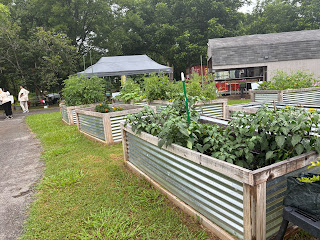
At the 2026 American Community Gardening Association’s National Conference in Little Rock, organizers pulled on their gardening gloves and advocated for more awareness of their mission to improve the health of residents by providing access to fresh food in the places most grocery stores avoid, known food deserts.
Katherine Donald, who helped organize the three-day conference, said, “Community gardens grow food directly inside neighborhoods that lack grocery stores, reducing the distance, cost, and transportation barriers that define food deserts.”
Donald has been involved in the work and knows the way community gardening affects the pocketbooks and the palates of low-income families.
“Depending on the garden, they can produce and provide hundreds of pounds of fresh vegetables each growing season distributed through low-cost sales at farmers’ markets, food pantries, shared harvests, or giveaways,” she added.
Community gardens embrace the philosophy of self-sufficiency and sustainable development by providing residents with the skills to grow, harvest, store, and prepare fresh food. Cooking classes and seedling giveaways help promote the significance of fresh food.
This year’s conference included generational preparation by adding activities for youth ages 6 to 14, featuring both classroom-style instruction and hands-on learning in garden settings.
Dr. Annette Slater, former president of the Little Rock Chapter of Links, Inc., which served as a conference sponsor, assisted Donald with the youth events.
“The kids really enjoyed the water gardening, the cooking demonstration and the beekeepers,” Slater said. “ Some of them had never seen a strawberry on a vine.”
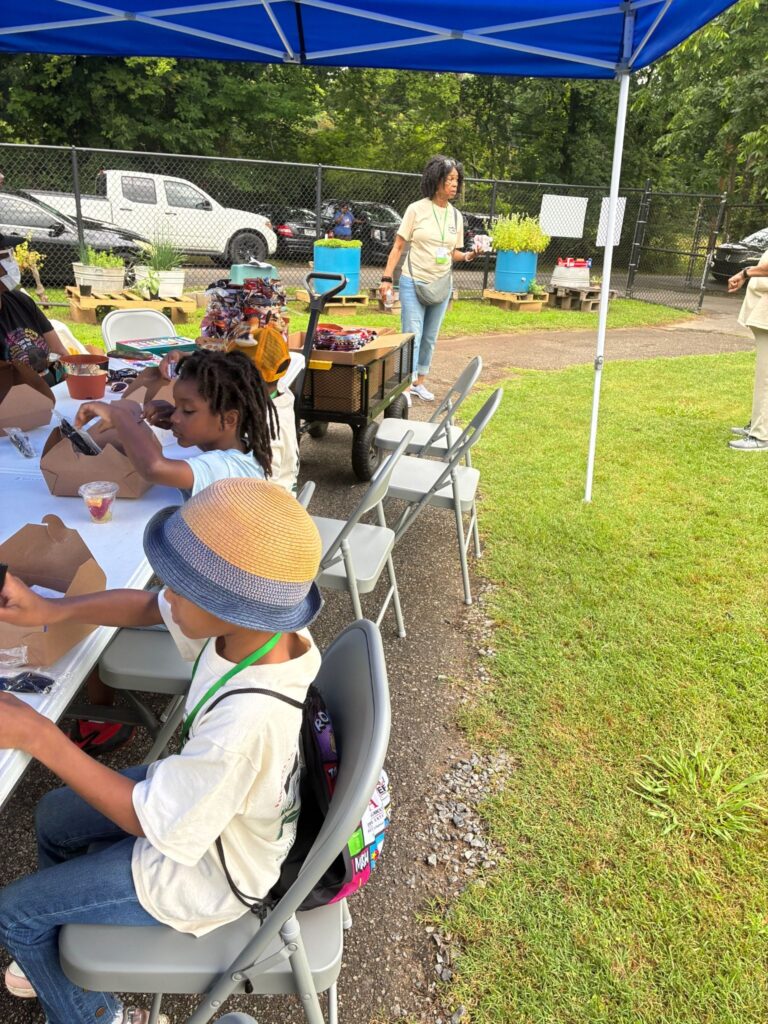
Instructors led children and teens in discussions about their need for fresh food to maintain their health–even asking about the vegetables they like to grow.
“I like to grow cucumbers and tomatoes,” one child shouted. Another responded, “Chilis.”
Donald explained, “They asked sharp questions, challenged norms, and demonstrated a natural ability to influence their peers. Their enthusiasm confirmed that youth-centered community gardening activities are both viable and powerful.”
For more information about the American Community Gardening Association, click here.





-
 Featured9 months ago
The untold story of a Black woman who founded an Alabama hospital during Jim Crow
-
 Featured11 months ago
Five Facts You Need To Know About SNAP
-

 Featured11 months ago
US Black Chambers of Commerce Makes History with Campus for Entrepreneurship
-

 Featured5 months ago
Trump’s Use of “low IQ” Insult Reveals His View of Black Americans
-
 Featured4 months ago
A Timeline of the Tulsa Massacre Mass Graves Discovery on the 105th Commemoration
-

 Featured5 months ago
Republican-led Redistricting Could Cost Congressional Black Caucus 1/3 of Its Members